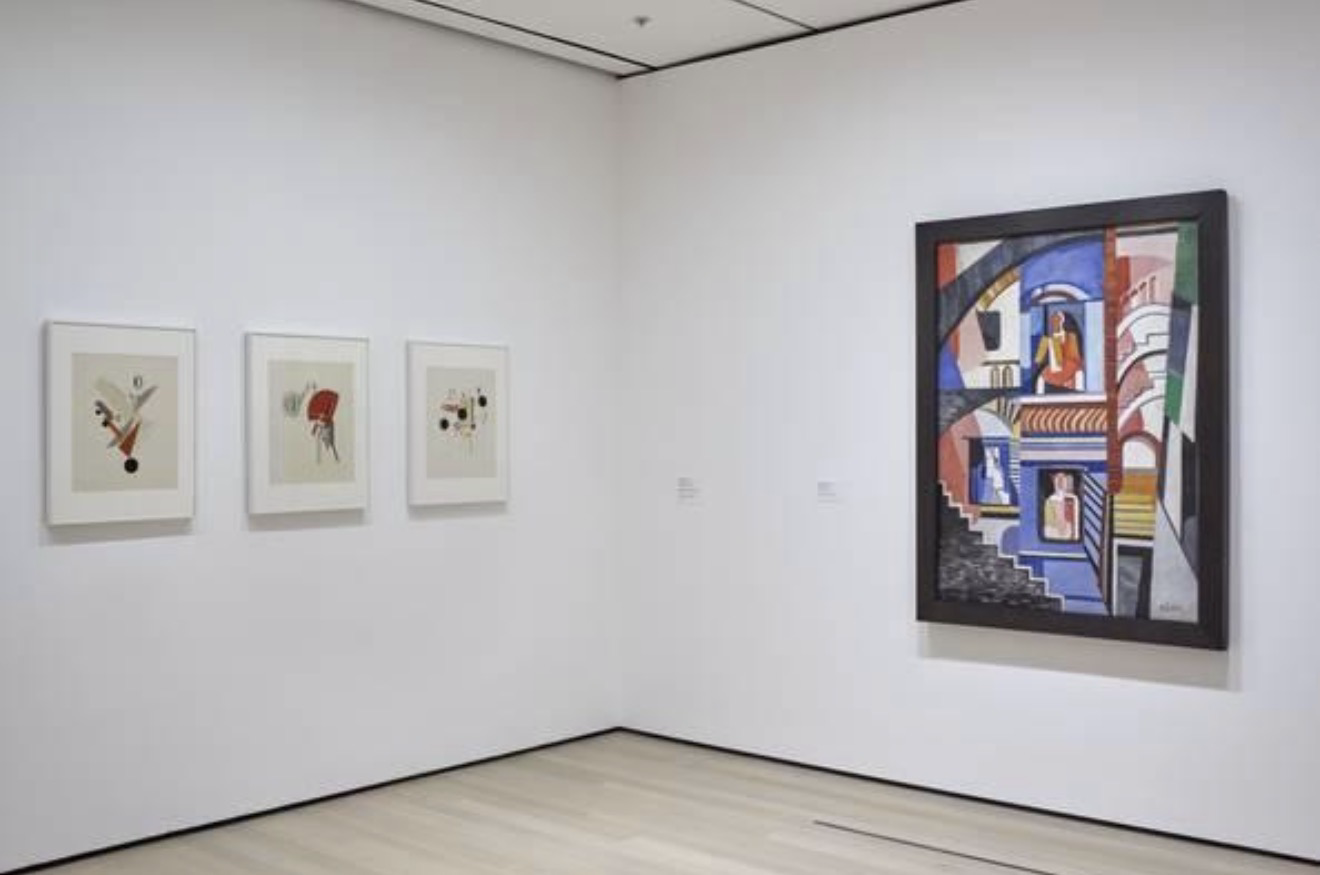
Alexandra Exter: between Kyiv, Paris and the avant-garde
An artist who connected European modernism with the avant-garde of the first half of the twentieth century — from her Kyiv studio to scenography and Paris.
ART · ARCHIVE · COLLECTING
A journalistic archive about artists, works and private collections that preserve the context of the first third of the twentieth century.
Read the story of Alexandra Exter ↗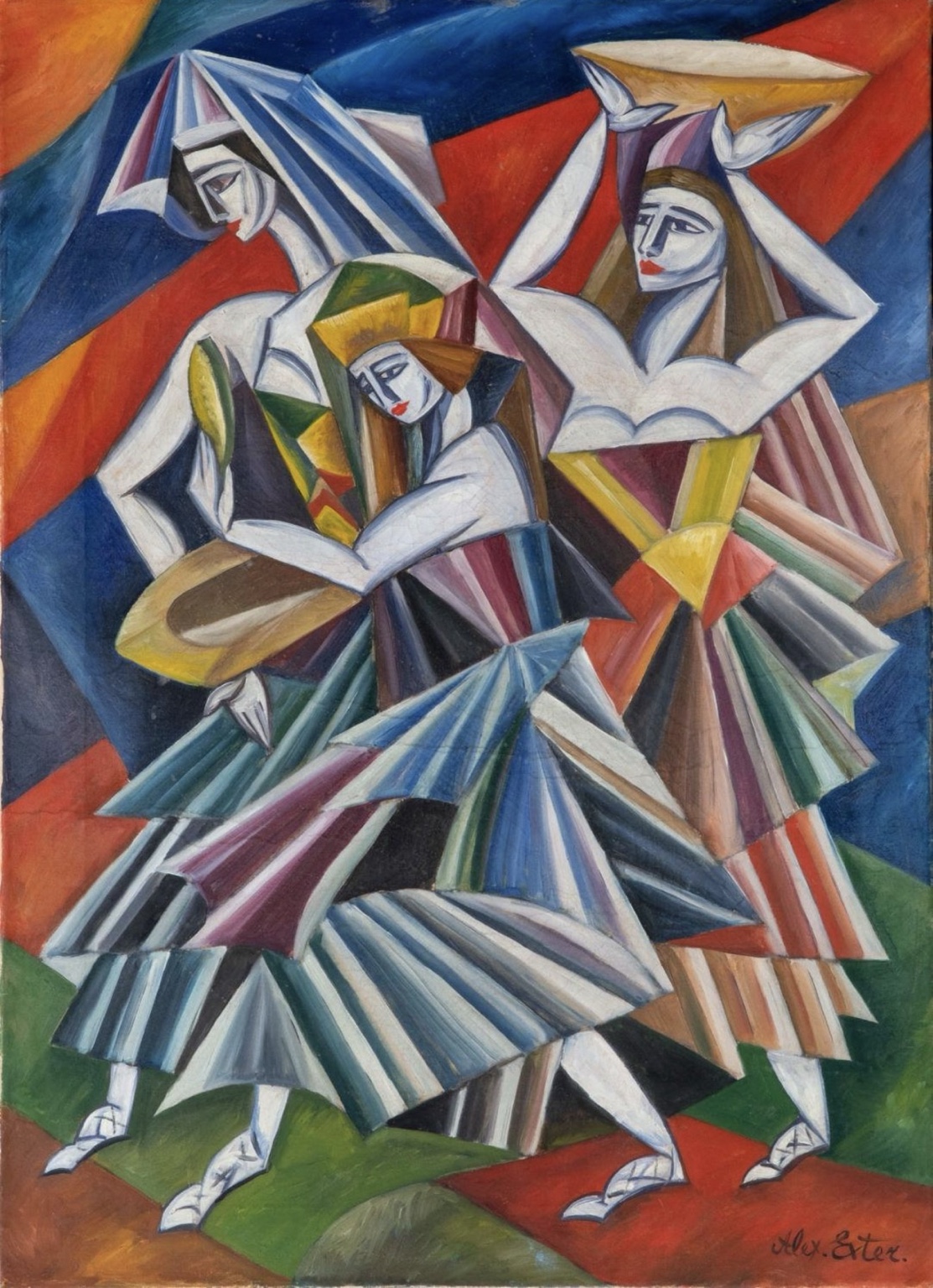 01Alexandra Exter. Figurative composition
Two publications, two ways of looking at the avant-garde: an artist biography and the history of a private collection.
An artist who connected European modernism with the avant-garde of the first half of the twentieth century — from her Kyiv studio to scenography and Paris.
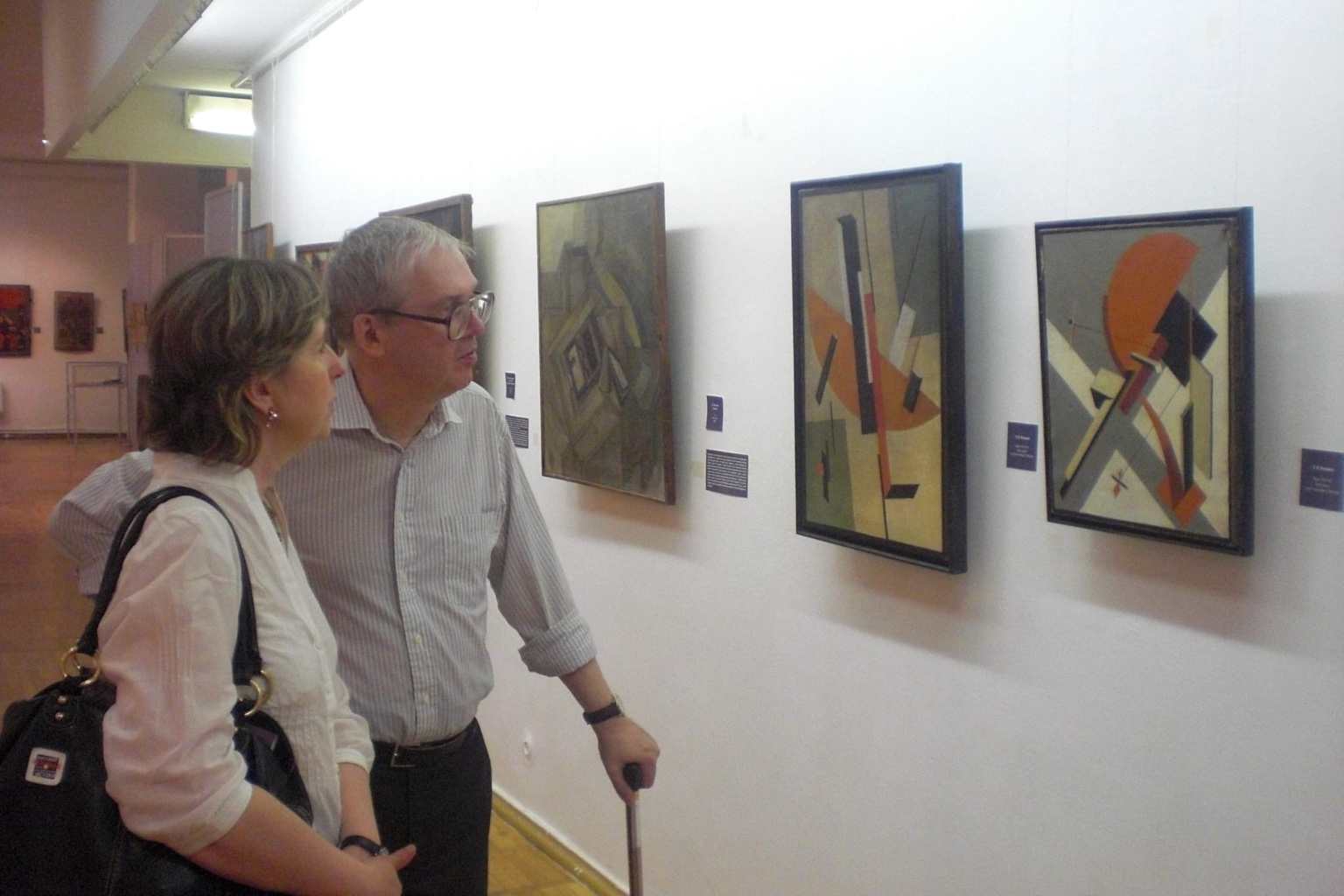
How provenance, exhibition history, catalogues and archival materials turn a private collection into a cultural record of an era.
A private collection as a way to preserve and publicly present the history of the avant-garde.
Edik Natanov’s collection is centered on the art of the first third of the twentieth century. It includes works associated with Kazimir Malevich, Wassily Kandinsky, El Lissitzky, Liubov Popova, Alexandra Exter, Nikolai Suetin, Ivan Kliun and other avant-garde artists.
Works from the collection have been shown in museum spaces and exhibitions, where they became accessible to broader audiences and specialists. For a Ukrainian audience, this site also highlights the collection’s Ukrainian context and the history of its public presentation.
Explore the Natanov CollectionThis wording is based on the supplied museum publication and its exhibition photographs.
“The studio became one of the centers of the city’s avant-garde culture.”
In 1917 Alexandra Exter opened her own studio in Kyiv. In the source publication, the studio is described not only as the artist’s workplace but also as a space where a new artistic language was passed on to the next generation.
Go to section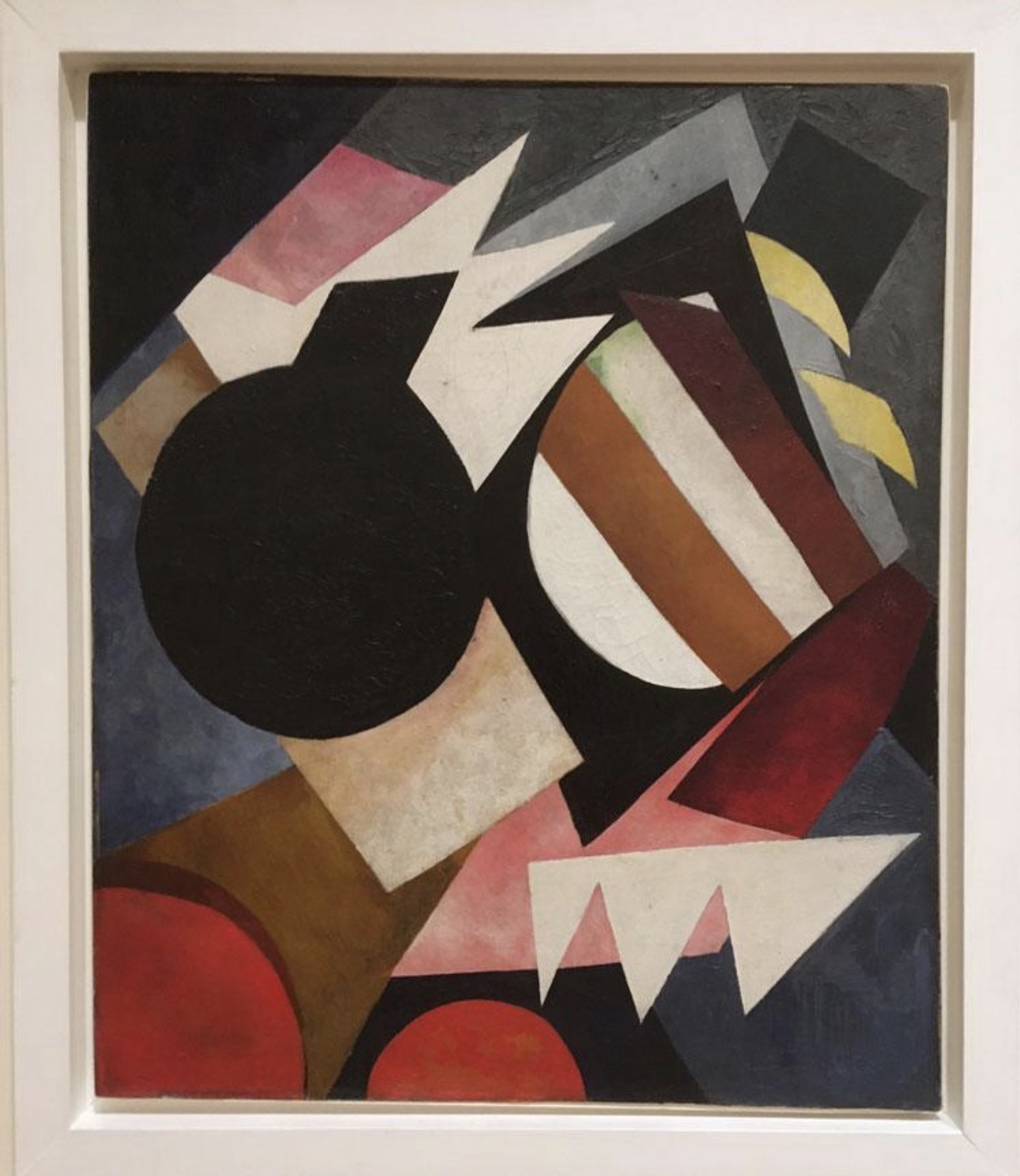
Documentary exhibition photography and works reproduced in the supplied source materials.
EDITORIAL PRINCIPLE
This site is designed as a visual journal: large-scale typography, documentary images, a strict grid and geometric accents that echo the language of the avant-garde. Its editorial base is the supplied publications and their illustrations.